Buy auto-aufkleber.eu ?
We are moving the project
auto-aufkleber.eu .
Are you interested in purchasing the domain
auto-aufkleber.eu ?
domain@kv-gmbh.de · 0541-91531010
Buy auto-aufkleber.eu ?
Are receptors sensory cells?
Receptors are not sensory cells themselves, but they are specialized proteins located on the surface of sensory cells. These receptors are responsible for detecting and responding to specific stimuli, such as light, sound, taste, or smell. When a receptor is activated by a stimulus, it triggers a series of biochemical reactions within the sensory cell, ultimately leading to the generation of a sensory signal that can be transmitted to the brain for processing. Therefore, while receptors are not sensory cells, they play a crucial role in the sensory process by detecting and transducing stimuli into neural signals. **
When are receptors formed?
Receptors are formed during early development in the womb. They are essential proteins that are embedded in cell membranes and play a crucial role in transmitting signals from the external environment to the inside of the cell. The formation of receptors is a complex process that involves specific genetic instructions and protein synthesis. Once formed, receptors continue to be expressed and regulated throughout an individual's life to ensure proper cellular communication and function. **


Similar search terms for Sensory receptors
Top-Angebote
Products related to Sensory receptors:
-
Inspire Curations WhovilleFest Christmas Wall Stickers Fun Grinch Inspired Holiday Vinyl Decals WhovilleFest Christmas Wall Stickers Fun Grinch Inspired Holiday Vinyl DecalsTurn your home into a playful holiday wonderland straight out of Whoville. The WhovilleFest Christmas wall stickers bring bold colors, quirky characters, and festive charm to any room, instantly creating a fun and lively Christmas vibe. Designed...63,00 $*Shipping: 0,00 $Secure redirect to the provider
-
Drop Dash Deals Cute Cat & Dog Car Window Vinyl Stickers Animal Decals For Laptops & Cars Cute Cat & Dog Car Window Vinyl Stickers Animal Decals For Laptops & CarsBring some joy to your ride or home with these cute cat and dog vinyl stickers. Perfect for pet lovers, this set of 10 stickers is designed to add personality to your car, laptop, or any smooth surface. Made from durable, waterproof PVC, these...44,97 $*Shipping: 0,00 $Secure redirect to the provider
-
Uplift Curations 500pcs Christmas Stickers Golden Foil Christmas Tree Sealing Stickers Clear Vinyl Decals For Gifts, Windows And Crafts 500pcs Christmas Stickers Golden Foil Christmas Tree Sealing Stickers Clear Vinyl Decals For Gifts, Windows And CraftsAdd a polished festive touch to your holiday projects with this large set of Christmas stickers featuring elegant golden foil Christmas tree designs. These clear vinyl decals are ideal for sealing gifts, decorating windows, enhancing holiday crafts,...49,00 $*Shipping: 0,00 $Secure redirect to the provider
-
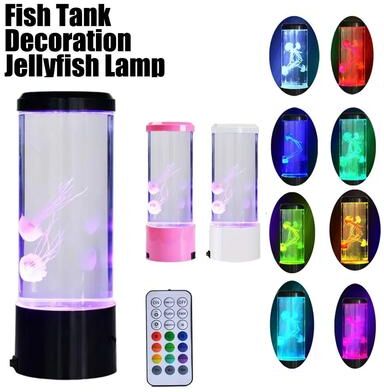
Uplift Essentials Floating Jellyfish Sensory Mood Lamp Floating Jellyfish Sensory Mood LampDive into a world of tranquility with the Floating Jellyfish Sensory Mood Lamp, a mesmerizing centerpiece designed to bring the calming depths of the ocean into your living space. This highdefinition aquarium uses advanced fluid dynamics to create a...72,97 $*Shipping: 0,00 $Secure redirect to the provider



-
What are hormone receptors?
Hormone receptors are proteins located on the surface or within the cells of target tissues that are capable of binding to specific hormones. When a hormone binds to its receptor, it triggers a series of cellular responses that ultimately lead to changes in gene expression, cell function, or metabolism. Hormone receptors are crucial for the regulation of various physiological processes in the body, including growth, metabolism, and reproduction. Different types of hormones, such as steroid hormones, thyroid hormones, and peptide hormones, have specific receptors that they bind to in order to exert their effects on target cells. **
-
Do organs have pain receptors?
No, organs themselves do not have pain receptors. Pain receptors, also known as nociceptors, are specialized nerve cells that detect tissue damage and send signals to the brain to indicate pain. While organs do not have pain receptors, the tissues surrounding organs, such as the lining of the abdomen or chest, can contain nociceptors and can transmit pain signals if they are damaged or inflamed. **
-
What are sensory cells, sensory organs, and senses?
Sensory cells are specialized cells that detect and respond to specific stimuli, such as light, sound, touch, taste, and smell. These cells are found in sensory organs, which are structures in the body that contain sensory cells and are responsible for detecting and transmitting sensory information to the brain. The senses, on the other hand, are the physiological capacities of organisms that provide data for perception. They include sight, hearing, touch, taste, and smell, and are essential for experiencing and interacting with the environment. **
-
Why are there 1 million receptors per cm2 if there are 100,000 receptors per cm2?
There may be 1 million receptors per cm2 if there are 100,000 receptors per cm2 because the receptors may be densely packed together, allowing for more receptors to fit within the same area. Additionally, having a higher density of receptors may increase the sensitivity and efficiency of the sensory system in detecting and responding to stimuli. This high density of receptors may be particularly important in areas of the body that require a high level of sensitivity, such as the fingertips or the tongue. **

Which medications block the nicotine receptors?
Medications such as varenicline (Chantix) and bupropion (Zyban) are known to block nicotine receptors in the brain. By blocking these receptors, these medications reduce the pleasurable effects of nicotine, making it easier for individuals to quit smoking. These medications are often used as part of a comprehensive smoking cessation program to help individuals overcome their addiction to nicotine. **
What is the difference between a primary sensory cell, a secondary sensory cell, and a sensory nerve cell?
Primary sensory cells are specialized cells that directly detect stimuli from the environment, such as light, sound, or touch. Secondary sensory cells receive signals from primary sensory cells and transmit them to the central nervous system. Sensory nerve cells, also known as sensory neurons, are responsible for transmitting the signals from secondary sensory cells to the brain, where they are processed and interpreted. In summary, primary sensory cells detect stimuli, secondary sensory cells relay the signals, and sensory nerve cells transmit the signals to the brain for processing. **
Top-Angebote
Products related to Sensory receptors:
-
"Hedstrom: 15"" ABC Sensory Sound Hopper - Blue & Animal Graphics - 4+""HEDSTROM: 15"" SENSORY HOPPER W/ SOUND - ABC'S - Hedstrom's 15-Inch diameter hopper ball plays a fun, musical alphabet song to help children learn the alphabet! Just push the button and listen to the fun song while hopping, bouncing and playing."38,49 $*Shipping: 0,00 $Secure redirect to the provider
-
"Hedstrom: 15"" Numbers Sensory Sound Hopper - Orange & Animal Graphics - 4+""HEDSTROM: 15"" SENSORY HOPPER W/ SOUND - NUMBERS - Hedstrom's 15-Inch diameter hopper ball plays a fun, musical numbers song to help children learn their numbers! Just push the button and listen to the fun song while hopping, bouncing and playing."33,99 $*Shipping: 0,00 $Secure redirect to the provider
-
Inspire Curations WhovilleFest Christmas Wall Stickers Fun Grinch Inspired Holiday Vinyl Decals WhovilleFest Christmas Wall Stickers Fun Grinch Inspired Holiday Vinyl DecalsTurn your home into a playful holiday wonderland straight out of Whoville. The WhovilleFest Christmas wall stickers bring bold colors, quirky characters, and festive charm to any room, instantly creating a fun and lively Christmas vibe. Designed...63,00 $*Shipping: 0,00 $Secure redirect to the provider
-
Drop Dash Deals Cute Cat & Dog Car Window Vinyl Stickers Animal Decals For Laptops & Cars Cute Cat & Dog Car Window Vinyl Stickers Animal Decals For Laptops & CarsBring some joy to your ride or home with these cute cat and dog vinyl stickers. Perfect for pet lovers, this set of 10 stickers is designed to add personality to your car, laptop, or any smooth surface. Made from durable, waterproof PVC, these...44,97 $*Shipping: 0,00 $Secure redirect to the provider
-
Are receptors sensory cells?
Receptors are not sensory cells themselves, but they are specialized proteins located on the surface of sensory cells. These receptors are responsible for detecting and responding to specific stimuli, such as light, sound, taste, or smell. When a receptor is activated by a stimulus, it triggers a series of biochemical reactions within the sensory cell, ultimately leading to the generation of a sensory signal that can be transmitted to the brain for processing. Therefore, while receptors are not sensory cells, they play a crucial role in the sensory process by detecting and transducing stimuli into neural signals. **
-
When are receptors formed?
Receptors are formed during early development in the womb. They are essential proteins that are embedded in cell membranes and play a crucial role in transmitting signals from the external environment to the inside of the cell. The formation of receptors is a complex process that involves specific genetic instructions and protein synthesis. Once formed, receptors continue to be expressed and regulated throughout an individual's life to ensure proper cellular communication and function. **
-
What are hormone receptors?
Hormone receptors are proteins located on the surface or within the cells of target tissues that are capable of binding to specific hormones. When a hormone binds to its receptor, it triggers a series of cellular responses that ultimately lead to changes in gene expression, cell function, or metabolism. Hormone receptors are crucial for the regulation of various physiological processes in the body, including growth, metabolism, and reproduction. Different types of hormones, such as steroid hormones, thyroid hormones, and peptide hormones, have specific receptors that they bind to in order to exert their effects on target cells. **
-
Do organs have pain receptors?
No, organs themselves do not have pain receptors. Pain receptors, also known as nociceptors, are specialized nerve cells that detect tissue damage and send signals to the brain to indicate pain. While organs do not have pain receptors, the tissues surrounding organs, such as the lining of the abdomen or chest, can contain nociceptors and can transmit pain signals if they are damaged or inflamed. **
Similar search terms for Sensory receptors
-
Uplift Curations 500pcs Christmas Stickers Golden Foil Christmas Tree Sealing Stickers Clear Vinyl Decals For Gifts, Windows And Crafts 500pcs Christmas Stickers Golden Foil Christmas Tree Sealing Stickers Clear Vinyl Decals For Gifts, Windows And CraftsAdd a polished festive touch to your holiday projects with this large set of Christmas stickers featuring elegant golden foil Christmas tree designs. These clear vinyl decals are ideal for sealing gifts, decorating windows, enhancing holiday crafts,...49,00 $*Shipping: 0,00 $Secure redirect to the provider
-
Uplift Essentials Floating Jellyfish Sensory Mood Lamp Floating Jellyfish Sensory Mood LampDive into a world of tranquility with the Floating Jellyfish Sensory Mood Lamp, a mesmerizing centerpiece designed to bring the calming depths of the ocean into your living space. This highdefinition aquarium uses advanced fluid dynamics to create a...72,97 $*Shipping: 0,00 $Secure redirect to the provider
-
Lush Living Finds New Year Shop Christmas Decorations PVC Door Christmas Tree Wall Decals Christmas Stickers Wall Stickers Window Decals New Year Shop Christmas Decorations PVC Door Christmas Tree Wall Decals Christmas Stickers Wall Stickers Window DecalsTransform Your Space with Stunning Christmas Decorations Bring the holiday spirit to every corner 1 pcs of your home with New Year Shop Christmas Decorations! These festive PVC Door Christmas Tree Wall Decals add a personal touch to your living...43,97 $*Shipping: 0,00 $Secure redirect to the provider
-
What are sensory cells, sensory organs, and senses?
Sensory cells are specialized cells that detect and respond to specific stimuli, such as light, sound, touch, taste, and smell. These cells are found in sensory organs, which are structures in the body that contain sensory cells and are responsible for detecting and transmitting sensory information to the brain. The senses, on the other hand, are the physiological capacities of organisms that provide data for perception. They include sight, hearing, touch, taste, and smell, and are essential for experiencing and interacting with the environment. **
-
Why are there 1 million receptors per cm2 if there are 100,000 receptors per cm2?
There may be 1 million receptors per cm2 if there are 100,000 receptors per cm2 because the receptors may be densely packed together, allowing for more receptors to fit within the same area. Additionally, having a higher density of receptors may increase the sensitivity and efficiency of the sensory system in detecting and responding to stimuli. This high density of receptors may be particularly important in areas of the body that require a high level of sensitivity, such as the fingertips or the tongue. **
-
Which medications block the nicotine receptors?
Medications such as varenicline (Chantix) and bupropion (Zyban) are known to block nicotine receptors in the brain. By blocking these receptors, these medications reduce the pleasurable effects of nicotine, making it easier for individuals to quit smoking. These medications are often used as part of a comprehensive smoking cessation program to help individuals overcome their addiction to nicotine. **
-
What is the difference between a primary sensory cell, a secondary sensory cell, and a sensory nerve cell?
Primary sensory cells are specialized cells that directly detect stimuli from the environment, such as light, sound, or touch. Secondary sensory cells receive signals from primary sensory cells and transmit them to the central nervous system. Sensory nerve cells, also known as sensory neurons, are responsible for transmitting the signals from secondary sensory cells to the brain, where they are processed and interpreted. In summary, primary sensory cells detect stimuli, secondary sensory cells relay the signals, and sensory nerve cells transmit the signals to the brain for processing. **
* All prices are inclusive of VAT and, if applicable, plus shipping costs. The offer information is based on the details provided by the respective shop and is updated through automated processes. Real-time updates do not occur, so deviations can occur in individual cases. ** Note: Parts of this content were created by AI.